CONTACTS: +254 726879488 (Mobile)
+254770 455 116 (Office)


The World Health Organization’s Pandemic Agreement remains stalled in Geneva as African leaders, drawing hard lessons from the HIV and COVID-19 crises, reject a system that treats their genetic data as a free commodity.
With negotiations over the Pathogen Access and Benefit-Sharing (PABS) system deadlocked, civil society groups are warning that the continent is done with the “days of charity” and demands a legally binding, equitable share of life-saving medical countermeasures.
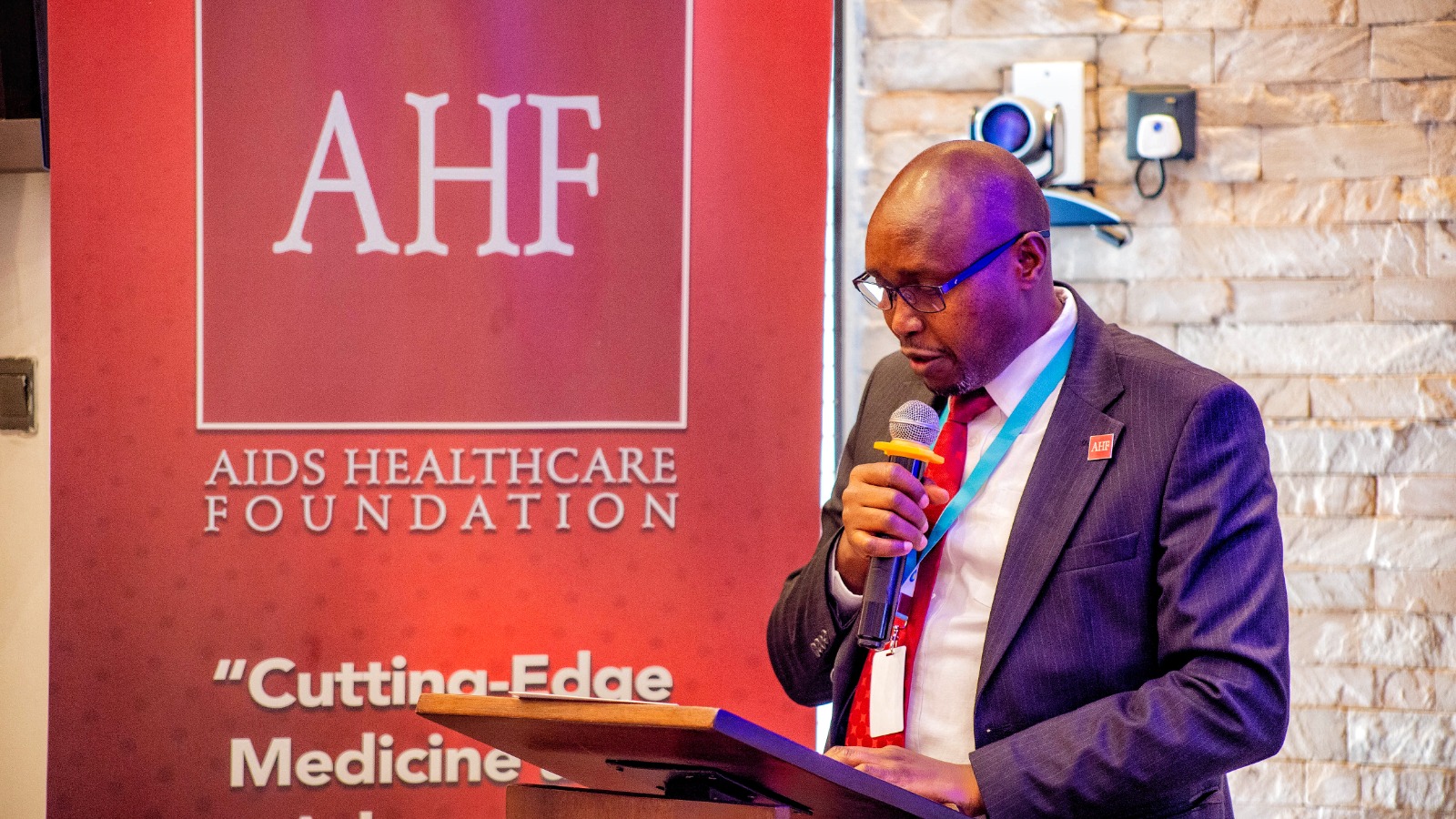
Pathogen data is a national asset, yet the current global health architecture operates as a predominantly exploitative market. Dr. Samuel Kinyanjui, Country Director for AHF Kenya, noted that Africa, which accounts for up to 20 per cent of the global population, received a mere 3 per cent of COVID-19 vaccines, mostly at the pandemic’s tail end.
“The data sharing mechanism cannot be open to be used and abused by anyone; it needs to be a closed system,” Dr. Kinyanjui stated. “Data from pathogens is intellectual property for the country, and as a result, it is a right for them to demand that they share in the technology, in the treatments… and in the vaccines that are going to come from it”.
African negotiators are demanding binding technology transfer to avoid a repeat of the 1990s HIV crisis, where antiretrovirals cost 160,000 Kenyan shillings a month—vastly outstripping local salaries—until technology sharing brought prices down to affordable levels. Relying strictly on Western production during a crisis is a failed strategy, as global demand will always outstrip supply.
The deadlock in Geneva is not just about pathogens; it is a clash of vested interests and “health politics”. Aggrey Aluso, Executive Director of Resilience Action Network Africa (RANA), urged African nations to claim their health sovereignty rather than waiting for donor-driven mercy.
“We must build a system that is creating an enabling environment for us to respond to other emerging diseases,” Aluso argued, noting that the singular focus on COVID-19 caused massive regressions in HIV and TB care across the continent because resilient systems had not been built. “Our governments will respond only when we show that it is important for us.
This space is not innocent. It is laden with a lot of interest… and you don’t know who is making the decisions behind the scenes”.
As African manufacturing capabilities mature, the region’s advocates are demanding a balanced global relationship rather than an unequal fight.
Diana Tibesigwa, AHF Regional Advocacy and Policy Manager for East and West Africa, drew a firm line in the sand regarding the PABS annex.
“The discussion of equity, accountability, should not be something to question or fight against,” she said. “Let us be flexible in sharing the IP. And our voice out there as AHF is that we need equity. We need equity. And we are saying no equity, no agreement”.
You cannot copy content of this page