CONTACTS: +254 726879488 (Mobile)
+254770 455 116 (Office)


By Nympha Ozougwu
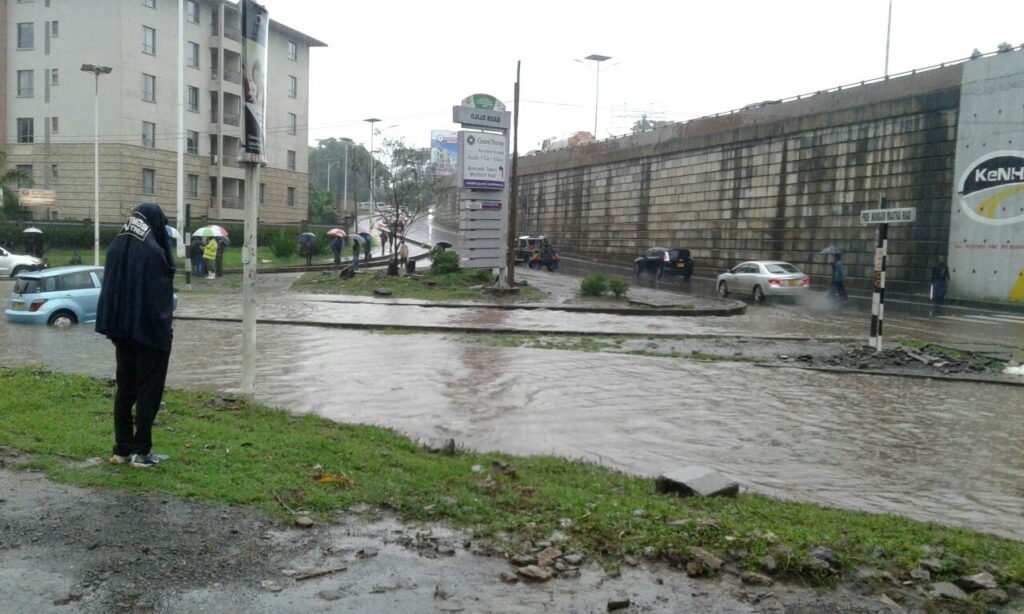
East African governments are stepping up preparations for possible floods and other extreme weather after global climate monitors warned that El Niño conditions are likely to develop later this year.
The prospect of another warm Pacific phase has raised concern across the region because it often brings heavy rainfall that can quickly overwhelm already stressed landscapes.
The IGAD Climate Prediction and Applications Centre is at the centre of the preparations as it expands its seasonal forecasts and real time flood monitoring systems.
Its work has taken on greater urgency after the World Meteorological Organisation reported that sea surface temperatures in the Equatorial Pacific are rising at a pace that suggests El Niño could form between May and July.
The pattern is one of the most disruptive in the global climate system because it alters rainfall distribution across continents.
Warmer Pacific waters tend to draw moisture toward East Africa, which increases the likelihood of intense downpours while leaving parts of southern Africa, Asia and Australia exposed to prolonged dry spells.
Forecast models indicate that the coming event could be strong, although the WMO has cautioned against the popular use of the phrase super El Niño since it is not an official scientific category.
Even so, regional climate centres say the combination of El Niño and the Indian Ocean Dipole can amplify rainfall extremes in ways that strain early warning systems.
This has prompted renewed coordination ahead of the long rain season. ICPAC will convene the seventy third Greater Horn of Africa Climate Outlook Forum in May to guide governments and aid agencies on likely scenarios.
These meetings have become increasingly important because the region has endured repeated climate shocks that have left many areas more exposed to fresh flooding.
Past cycles show how quickly conditions can deteriorate. The 2015 El Niño contributed to severe drought in Ethiopia, according to the US National Oceanic and Atmospheric Administration.
The same event disrupted water supplies in Puerto Rico and helped fuel one of the most active hurricane seasons recorded in the central North Pacific, underscoring the global reach of the phenomenon.
Communities across East Africa remain vulnerable after years of alternating droughts and floods that have weakened soils, damaged infrastructure and reduced the capacity to absorb new shocks.
A return of heavy rains would place particular pressure on areas still recovering from recent disasters.
One shift that could shape the region’s response this year is the growing use of forecast based action. Authorities are expanding hazard watch systems that track evolving risks in near real time, allowing earlier deployment of resources before conditions escalate.
Climate scientists say millions of people across the IGAD region face heightened risks if El Niño develops as expected.
They also note that improved climate services from ICPAC give governments a better chance of preparing for seasonal extremes driven by powerful global climate forces.
By Nympha Ozougwu For One Planet Agency | OPA News Agency
Link: https://oneplanetagency.com/east-africa-braces-for-extreme-rainfall-and-flooding-as-signs-point-to-return-of-el-nino/
You cannot copy content of this page